Drones: Grappling With the Tendrils of War
When I started working in Moldova, I realized that I would be living only a few hundred kilometers from a large war. Moreover, I was aware that Moldova itself was not immune to the unintended trails of violence slipping across the border with Ukraine – since 2022, there have been dozens of drones intended for Ukrainian battlefields that have crashed in Moldova. Yet, on an otherwise uneventful Friday afternoon, I received an email containing a note from the American Embassy. It read simply: “there has been a recent increase of Unmanned Aircraft System…in and around Moldova, primarily in southern Moldova.” It went on to explain that, while drone incursions had been an infrequent occurrence before, “the frequency has significantly increased over the past six months.” Recommended action upon seeing a drone included seeking shelter immediately, and interpreting any drone to be a threat. If one should find themself in a vehicle towards which a drone is heading, they must drive away or exit as fast as they can. Failing all else, the logical last resort is to run like Hell. While the advisory was not a shock, it represented a danger hitherto absent from my life as an American.
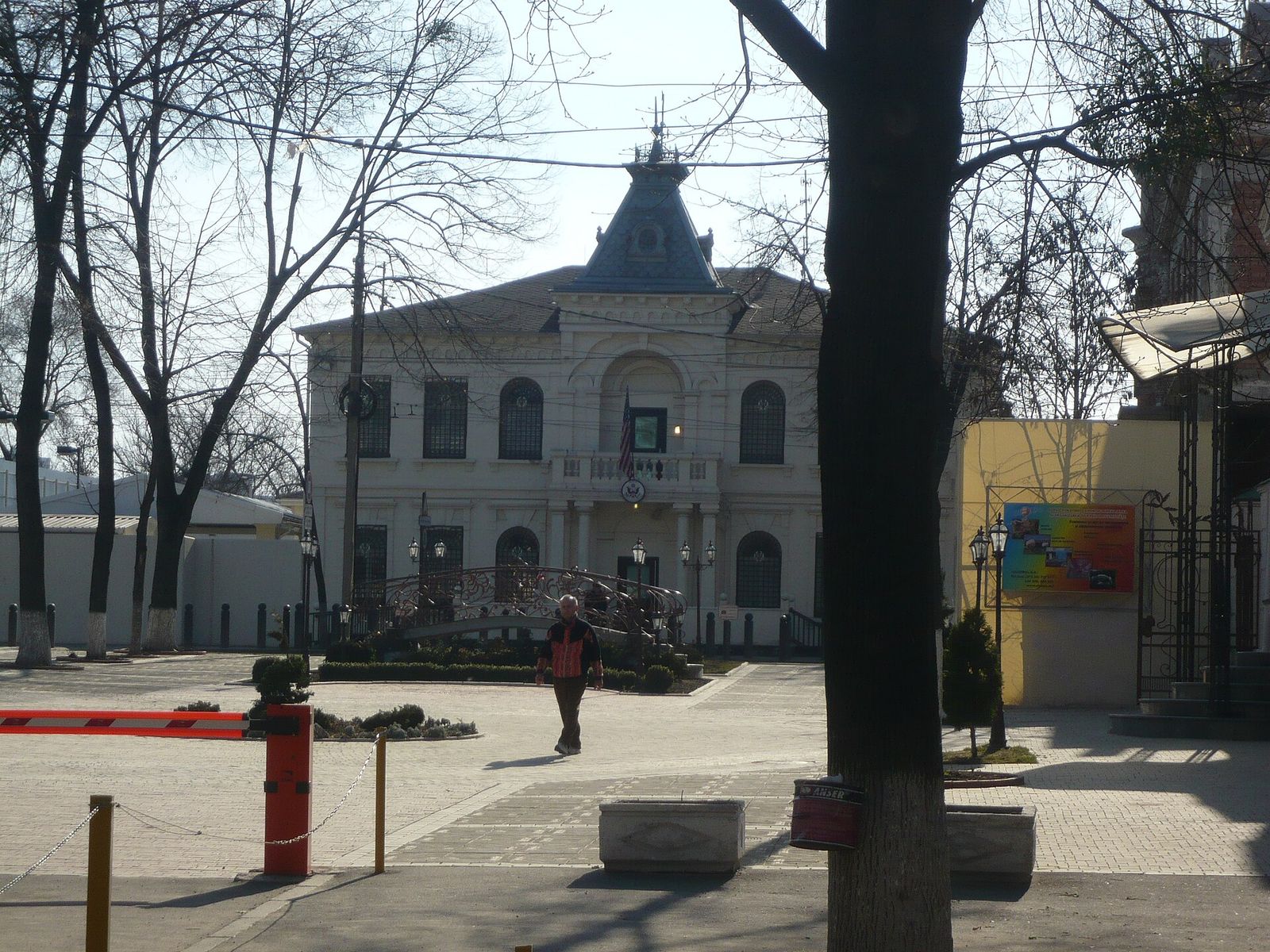
The American Embassy in Chișinău (image source: Wikimedia Commons)
There is perhaps nothing so omnipotent in modern warfare as the humble drone. Although it should be said that, for all its simplicity, it has repeatedly been claimed to have drastically altered modern warfare across the globe.Cartels in Colombia, soldiers in Sudan, and rebels in Myanmar have all resorted, at one point or another, to using drones as a weapon of conflict. Drones fired by Iran and its allies once equated to about 120 per day. At least 149 drone attacks were perpetrated in 2025 by armed groups in Colombia, according to The Guardian, and drones have reportedly been put to military use in Congo, Cambodia, and Myanmar. In Southeast Asia, multiple countries – including Malaysia, Singapore, and very likely also Indonesia – have invested time and resources in counter-drone efforts, according to The Diplomat. As time progresses, the prevalence of drones in combat only seems to continue its growth.
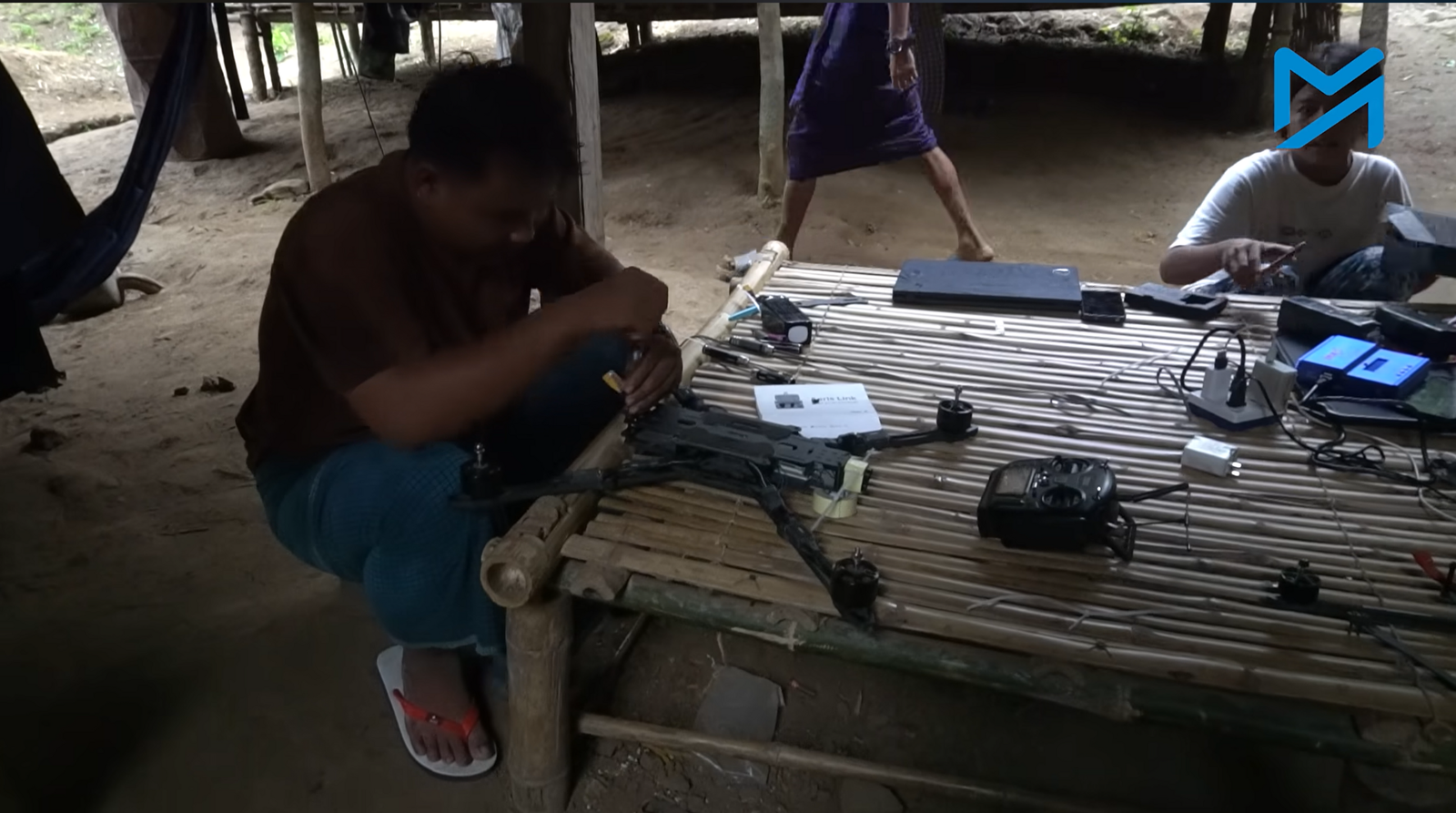
A rebel fighting force in war-torn Myanmar assembles small drones (image source: Wikimedia Commons)
And, as gruesome as warfare has always been, there is something particularly dystopian about the prospect of a flying, insentient metallic robot striking without warning. This is all the more relevant considering that, though the country is not at war, Moldova has seen a significant increase of drone activity.
From 4 reported drone incidents in 2022, 2 more were added to that number in 2023. The following year, there were 10, and in 2025, 17. By the time I had been forwarded the American embassy’s alert, some 44 drones had crossed into Moldova’s airspace in 2026. In just August, Radio Free Europe/Radio Liberty reported that drone crashes in Moldova eclipsed “the total recorded number for all of 2025.” According to Deutsche Welle, “…drone incidents are now an almost daily occurrence.” And, naturally, “the drones often explode.”
Nowhere are drones more widely used than in the Russo-Ukrainian War, which of course Moldova borders. And to say that there is only one kind of drone being used in this conflict is foolish: 100 different kinds of drones are estimated to have been put to use in military contexts. They operate in the air, land, and sea. Some are flamethrowers, some plant landmines, others launch even more drones.
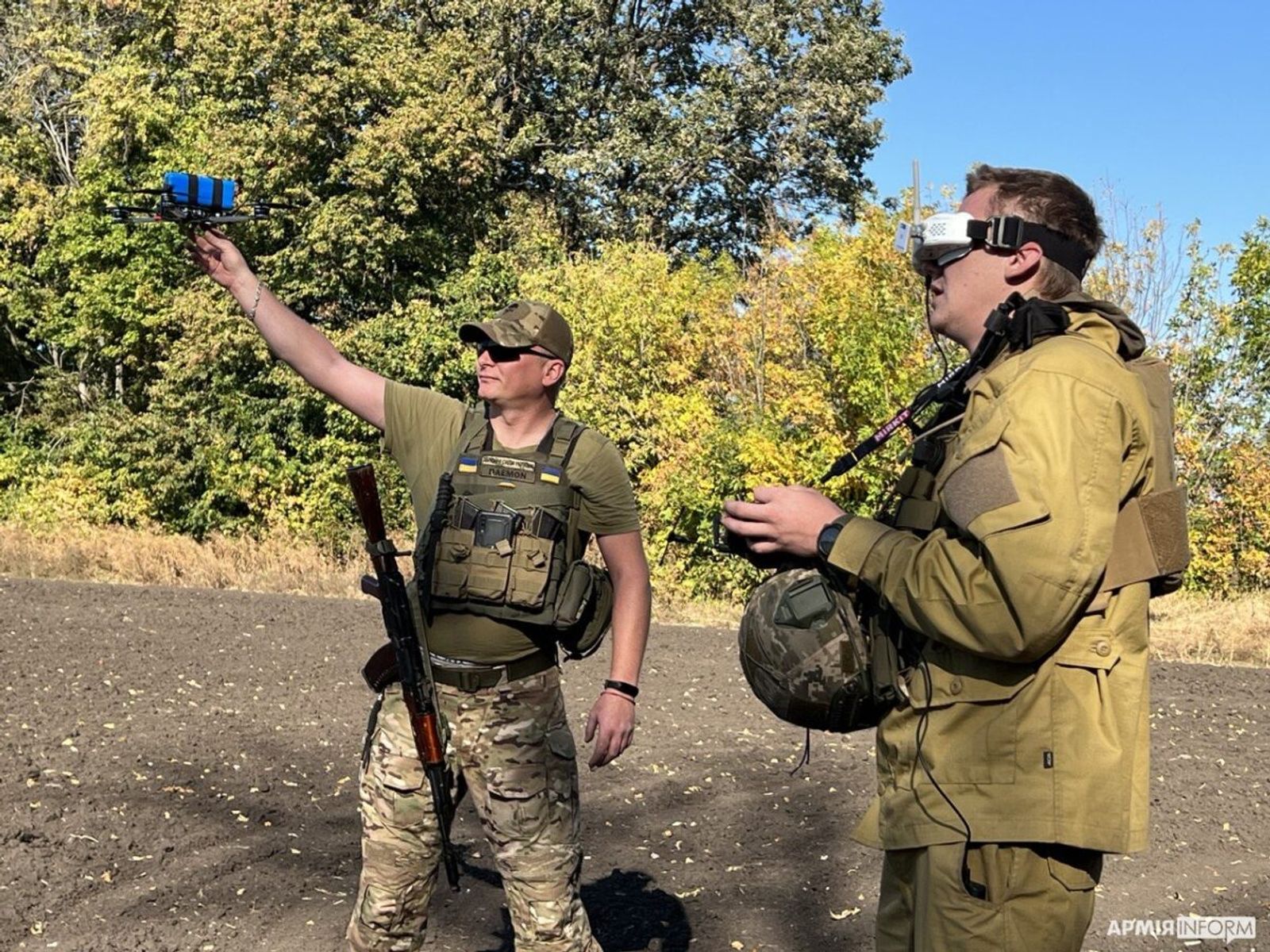
Ukrainian soldiers with a drone (image source: Wikimedia Commons)
That is not to say that drones in the nearby war are being used for only offensive purposes. In 2025, a land-based drone was used to rescue a wounded soldier from combat, and the following year another helped to retrieve an elderly civilian from an obliterated village. Once, a flying drone was even used to transport a cat and her four kittens out of a combat zone.
Additionally, it is worth noting that drone warfare is not particularly new. Its origins date as far back as 1849, when the Austrians deployed hundreds of bomb-laden balloons over Venice. During the First World War, the Americans constructed the airplane-like “Kettering Bug” – essentially a pilotless, flying bomb. The Japanese, in the following World War, launched thousands of balloons carrying incendiary explosives to drift over the United States. The British de Havilland Queen Bee, in the 1930s, was controlled entirely remotely. And, by the 1950s, modern, jet-propelled drones found use in military training.
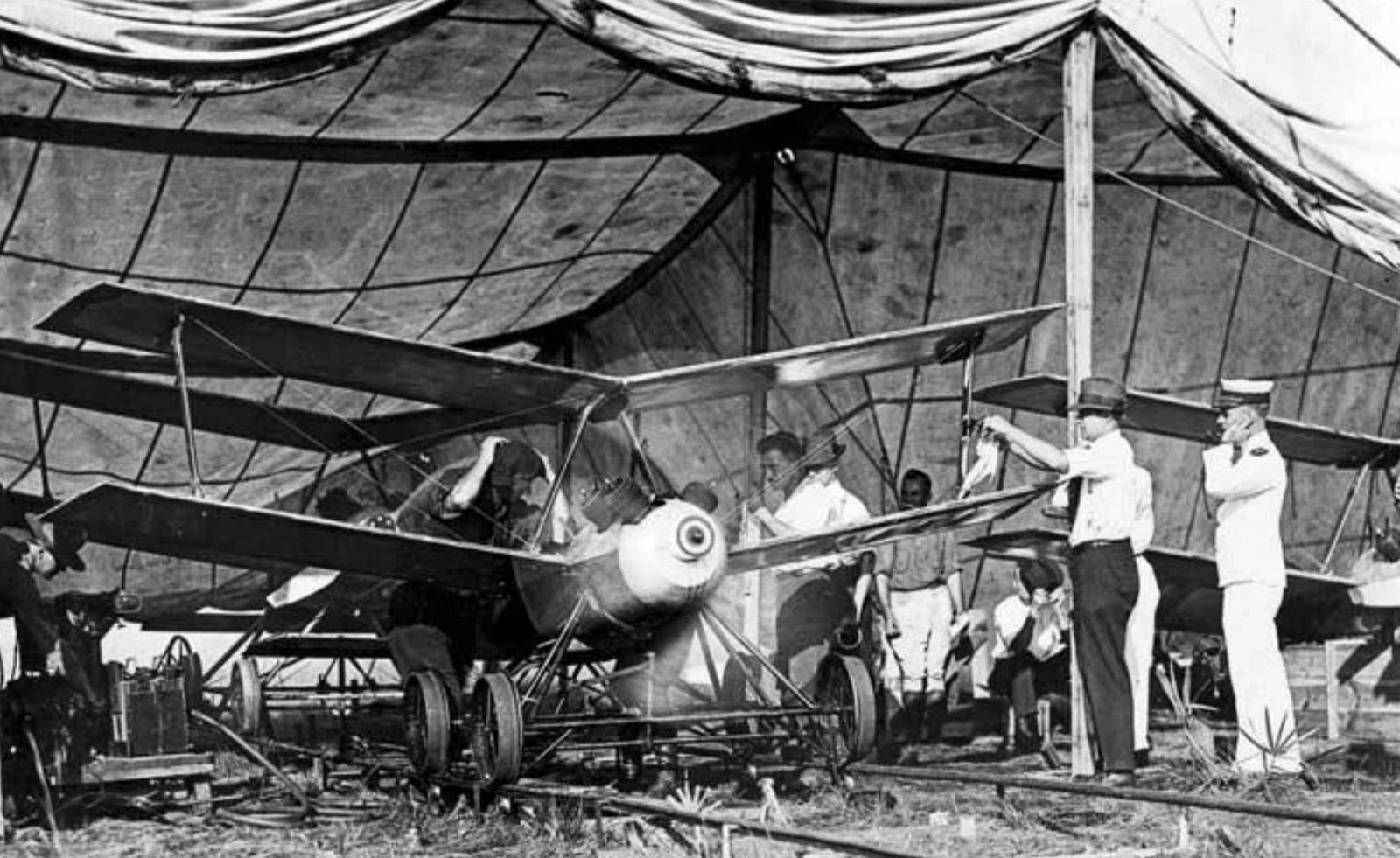
With its roots dating back to 1917, the famous "Kettering Bug" was among the first modern pilotless airborne weapons (image source: Wikimedia Commons)
Of course, today is a different story. Rather than a few hundred balloons floating over Venice, there is a striking variety of uses for drones in modern warfare. As a result, the general interpretation of drones as being a fundamentally advanced form of weaponry is surely enough to stoke concern in any contemporary viewer up to date on today’s many conflicts. And, to some extent, concerns about drone use in warfare are not new – surveys as far back as 2014 indicate a general disapproval of, say, the United States conducting drone strikes, against foreign adversaries. Yet despite concerns about the use of drones, living under the threat of them is another thing entirely.
Thus, we return to Ukraine. This is no less of a concern given Moldova’s general proximity to the conflict. In August 2025, data provided by Ukraine’s air force indicated that well over 6,000 drones had been sent into Ukraine in the month of July alone. The previous June, over 1,000 people were injured, and over 200 killed, by such projectiles, and that’s only counting civilians.
On the other side of things, as recently as late September 2026, Ukraine launched more than 1,000 drones into Russia, hundreds of which were intended for Moscow in what would become the “largest ever” drone attack on that capital city, according to the Associated Press. Throughout the course of the war as a whole, the number of drones used has been staggering. In late 2025, the Hudson Institute estimated that 10,000 drones were being used per day on the battlefield. That equates to millions of drones in the course of a handful of months.
Naturally, living in Moldova while this is going on next door forces one to contend with the reality of drones to some degree, albeit far less than someone in, say, Russia or Ukraine would need to. But as Ukraine surrounds Moldova on three sides, and as Moldova is not a member of either the European Union or the North Atlantic Treaty Organization, the prospect of drones flying through Moldovan skies is not, on the other hand, a totally negligible one.
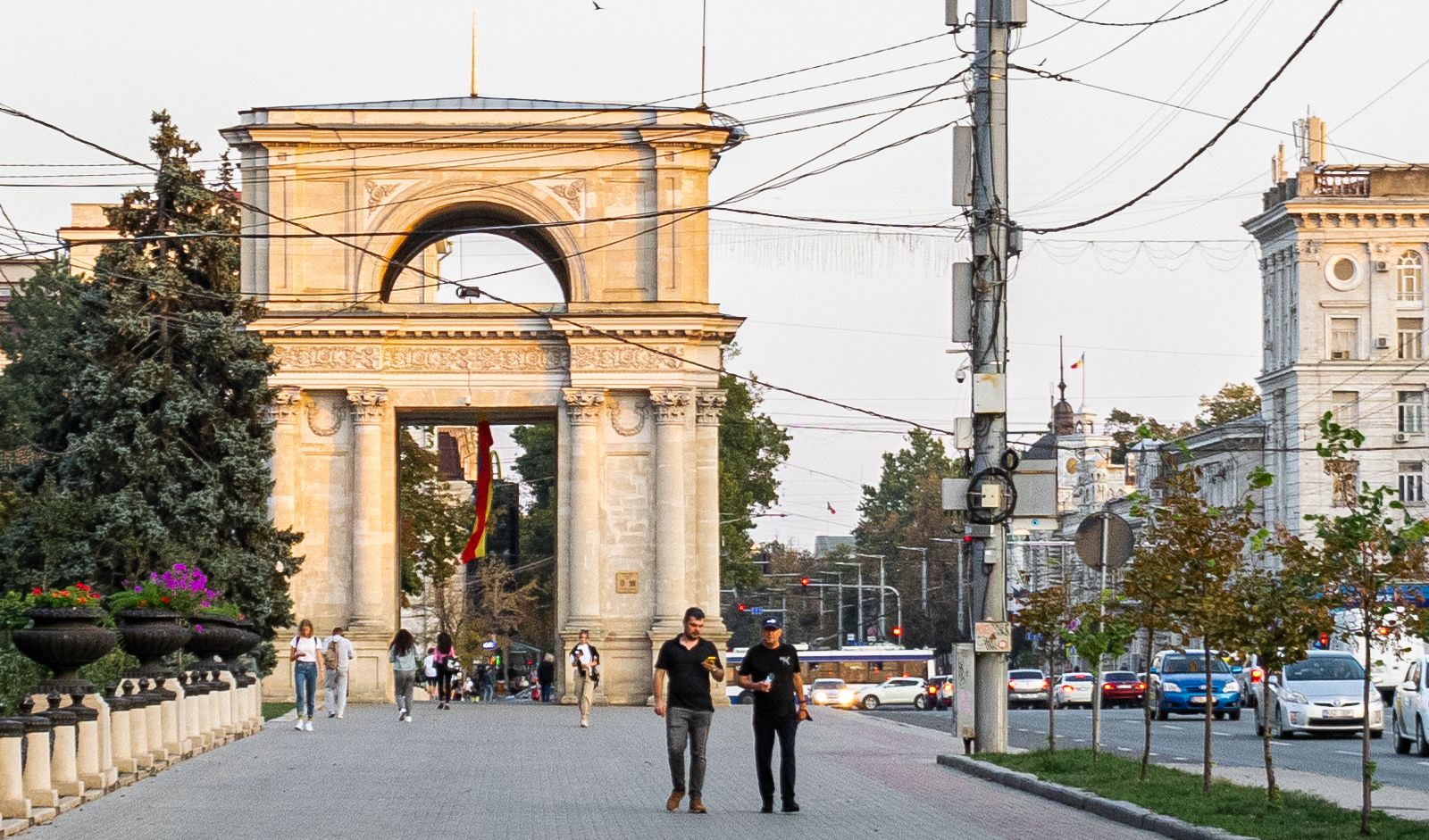
Triumphal Arch, Chișinău (image source: Wikimedia Commons)
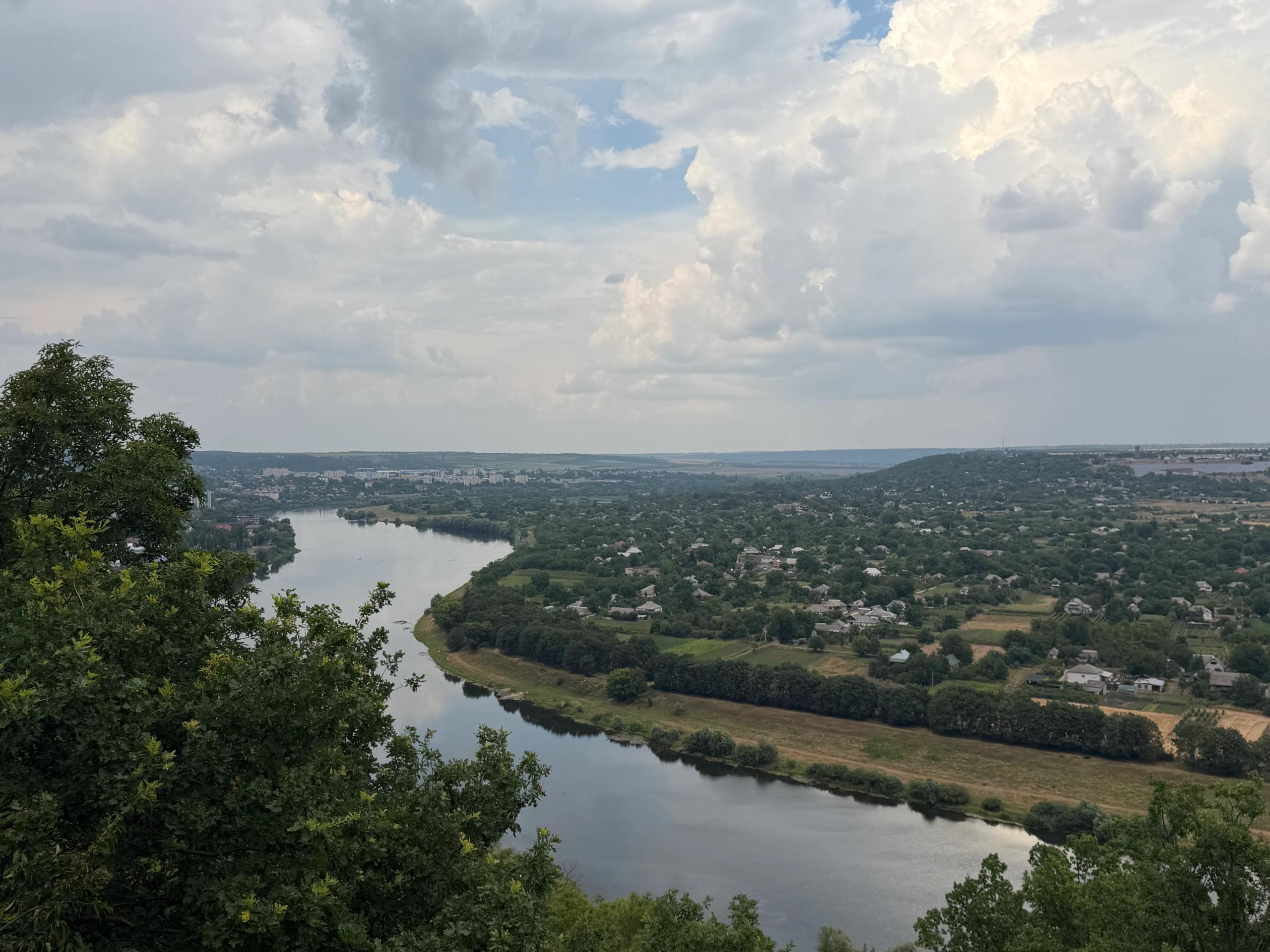
For now, the real danger in Moldova is primarily that of seemingly-stray incursions of drones from the neighboring war. The Dniester River that separates the country from Ukraine is not very wide, and in fact I have seen Ukraine from Moldovan soil – one could easily swim across. Standing there, and considering the possibility that a drone or missile may strike the opposite side of the river and leave little out of the ordinary as far as the global headline news is concerned, the reality of the conflict’s closeness to Moldova really sinks in. The field of vision, along this river, extends beyond that of diplomacy – a hundred meters is all that separates a would-be unsurprising attack on a belligerent country from a shocking incursion into a neutral one. Therefore, as if it is not unfortunate enough that the Ukrainians should be subjected to the westward-bound explosives of Russia, not everything intended for Ukrainian soil stays in Ukraine.
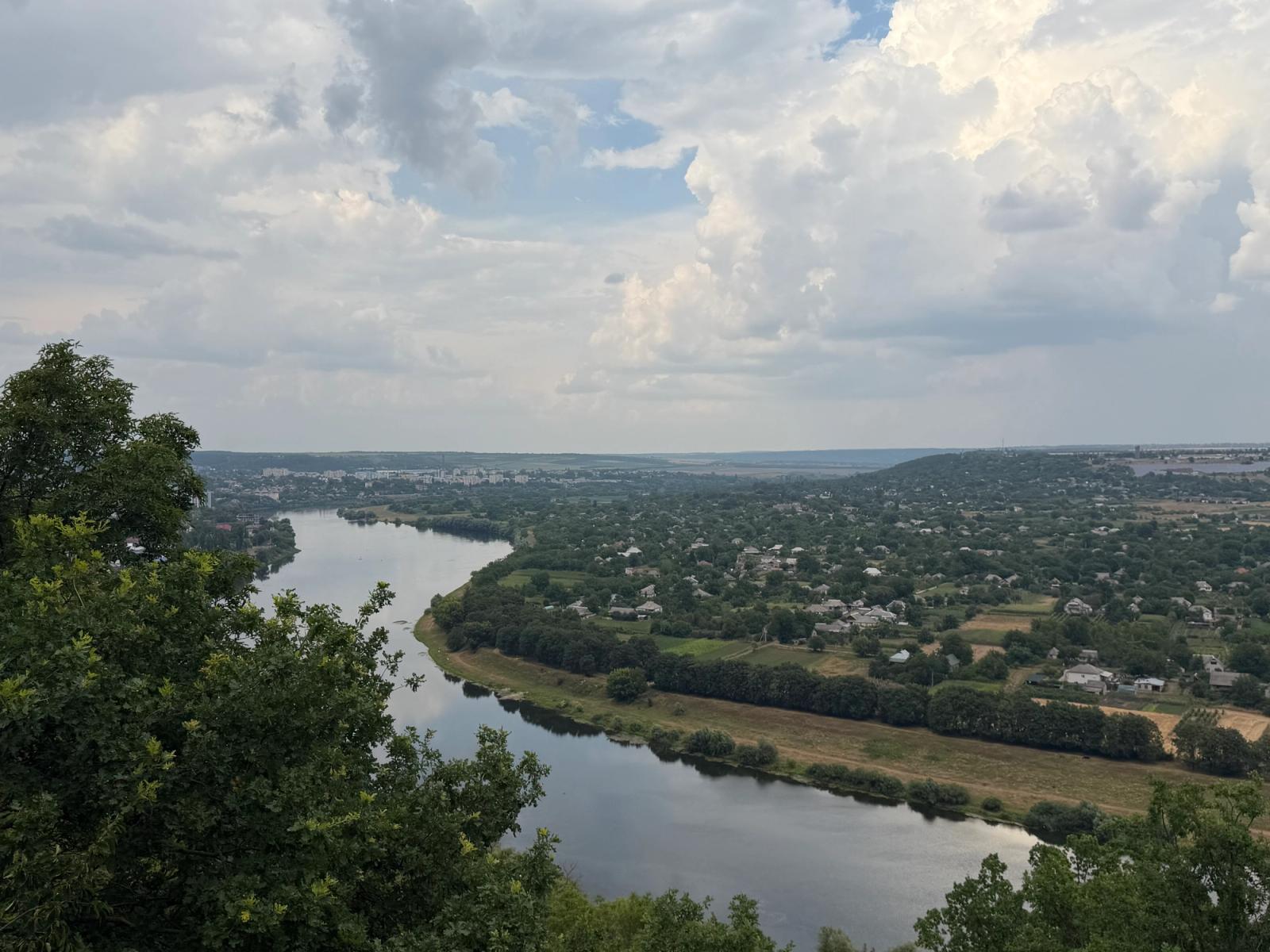
Ukraine as seen from across the Dniester River in Soroca, Moldova
By my third or fourth month in Moldova – nearing around October, 2026 – drone crashes had become routine news. That is not to say they were commonplace, but the headlines were not anything out of the ordinary, and in fact expected. One will catch snippets of headlines online – drone crashes near Chișinău, or drone lands outside Colonița; drone crashes in Rîșcani district; drone crashes by Talmaza…Just two days ago as of writing this, four Russian drones entered Moldovan airspace, two of which exploded, and one of them crashing in Florești. And given this frequency, a simple question of, “did you see on the news that a drone crashed?” will not be met with much more than a one-word response. Though, to be fair, when these instances did occur, they did result in some breaking of the norm.
Moldova would briefly have to shut down part of its airspace. Locals in some village would be startled by some sudden noise. Sometimes, the greater European community would even express concern, especially when drones came closer to skirting Poland or Romania. Once, when a drone breached Romanian airspace near Iași, air travel was restricted.
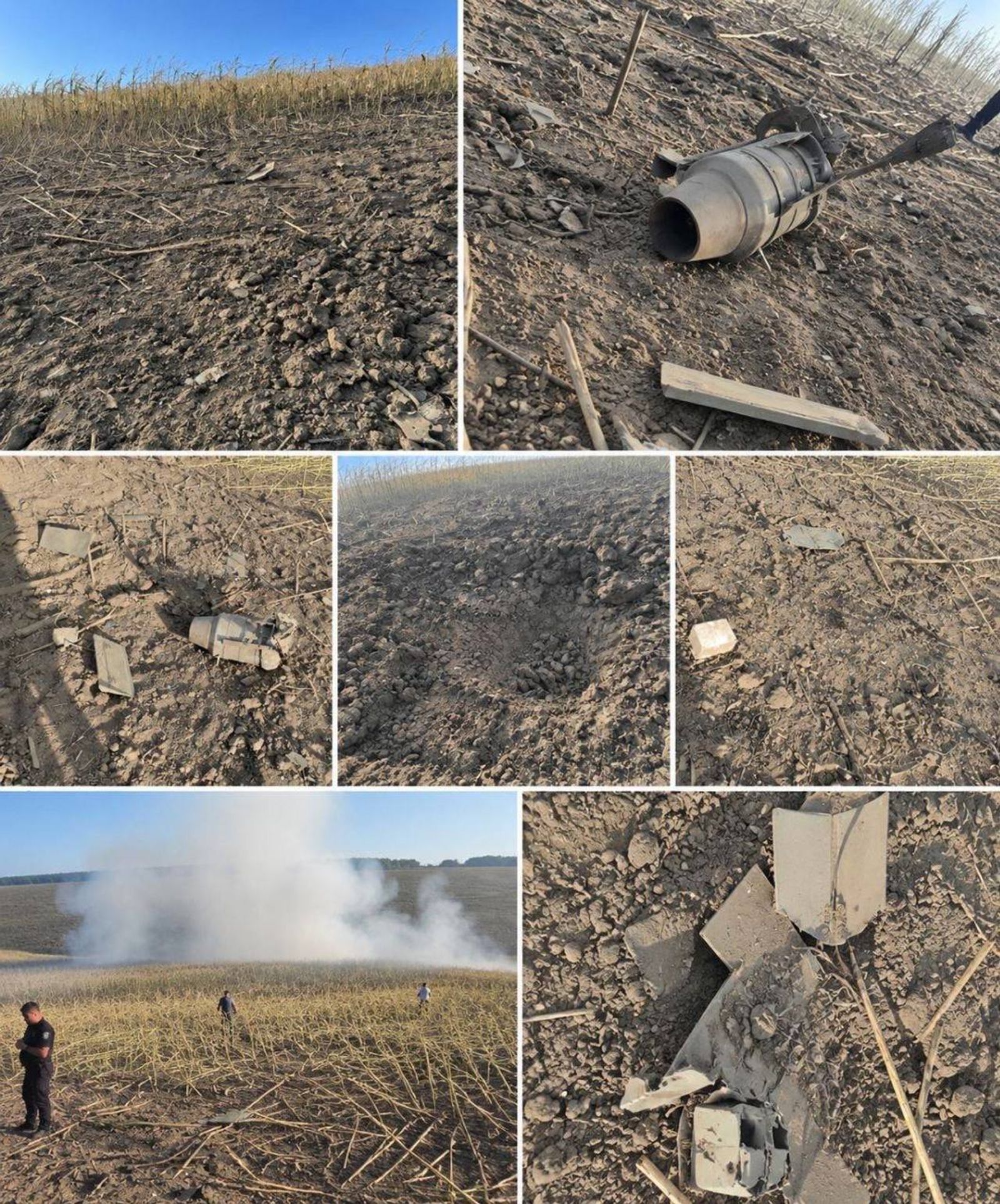
Photographs of the damage caused by a drone in a field in northern Moldova (image credit: Moldova 1)
It is also important to mention that, according to numerous officials, the increasing extent of drone incursions are not viewed as purely accidental. On September 8th, a Russian drone entering Moldova’s airspace prevented Ukrainian President Volodymyr Zelensky’s plane from taking off on time, prompting Deutsche Welle to proclaim that “many observers believe they [drones] can no longer be considered unintentional.” A month prior to this, Moldovan President Maia Sandu was cited by Ukrainska Pravda stating that, when observing the flight trajectory of drones, “I believe that some of them [drones] get there accidentally, while others do so because they are sent there.” She recalled recent memory of similar incursions occurring in Romania and in Poland. “…We can tell which ones were sent deliberately and which ones ended up there accidentally,” she concluded.
We can tell which ones were sent deliberately and which ones ended up there accidentally.
However, despite this level of certainty of such officials – and the president of Moldova is not a voice to simply dismiss – few seem to believe that Russia will intentionally besiege Moldova with direct drone attacks anywhere near the scale with which they are currently being used in Ukraine, at least not anytime soon. It did appear, in 2022, when the large-scale invasion in Ukraine began in earnest, that there was a chance Russia could capture Kyiv as they made their way towards it from Belarus. And at that time I remember thinking, with all the other university students interested in the region’s news, that the Russians very well might advance on Kyiv, and that they theoretically could take Odessa, and that if this were the case, it was not unreasonable to assume that Moldova could be within tempting striking distance. But the course of events obviously took a different turn, and we are left with the stalemate that we are faced with today.
One might also assume that the question of Transnistria, and its state as a breakaway region seeking recognition as an independent country, might complicate matters. Yet it seems that Russian drones, when they to land west of Ukraine, fall here, too. Only a year ago, while in Transnistria, I was confidently told that Russian missiles had landed not far from Tiraspol – a claim not unsubstantiated by reporting. What struck me, however, was that this information was related to me with a near-indifference: a shrug and an expression that seemed to convey a sense of inevitability.
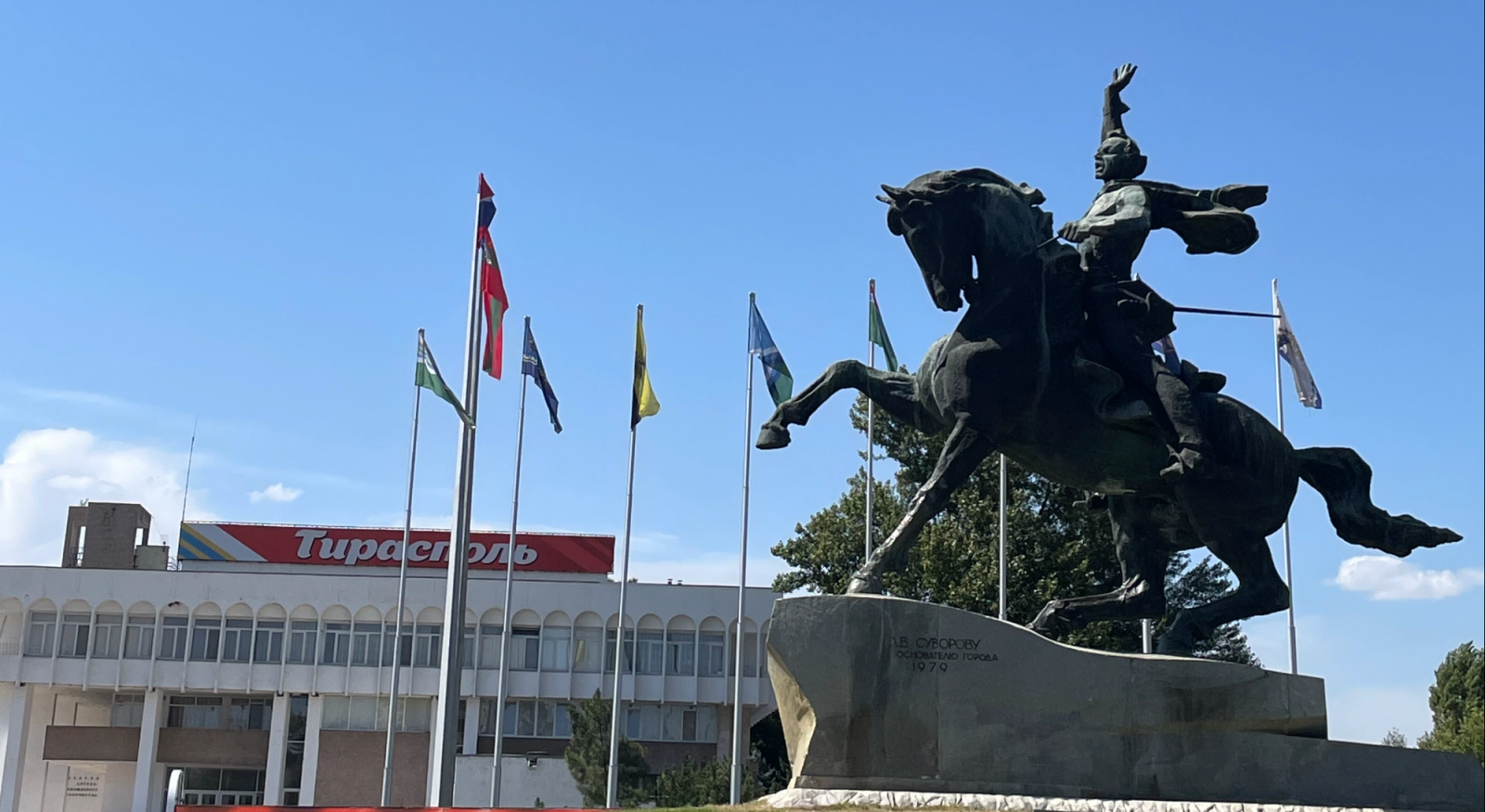
Suvorov Monument in Tiraspol, in the breakaway region of Transnistria
That is not to say that the reactions to drone incursions into Moldova are necessarily pessimistic. But, as quoted in Radio Free Europe, Moldovan political expert Andrei Curararu seemed dissuaded. “Despite the uptick in incidents, most Moldovans remain largely apathetic,” he is quoted. “…It has been mostly drones exploding in open spaces or with lesser damage. So many people have grown to live with it.”
Despite the uptick in incidents, most Moldovans remain largely apathetic.
In a way, I am no exception to this. Not even a year ago, in America, if a drone from a foreign nation’s war had exploded even three hundred kilometers from my house, I would have been alarmed. Everyone I know would probably be on lockdown. Perhaps it is the knowledge that Moldova is nestled so closely to war; perhaps a few months resident is all that is needed to change one’s perspective – whatever the reason, when the news breaks of another drone strike, I rarely think twice about it anymore.
Intentional or not, when drones do crash in Moldova, they almost always land in some field: some vacated area clear of people. To date, they have yet to kill anybody on Moldovan soil. It took until September of this year for a drone to injure a Moldovan citizen – a bus driver at the Starokazachie border crossing with Ukraine. Afterward, he simply went home. Of course, this type of reaction to drones crashing in Moldova is a generalization – I have met people (albeit many of them also foreigners) who take the situation far more seriously, but even they have never acknowledged a feeling of intense fear.
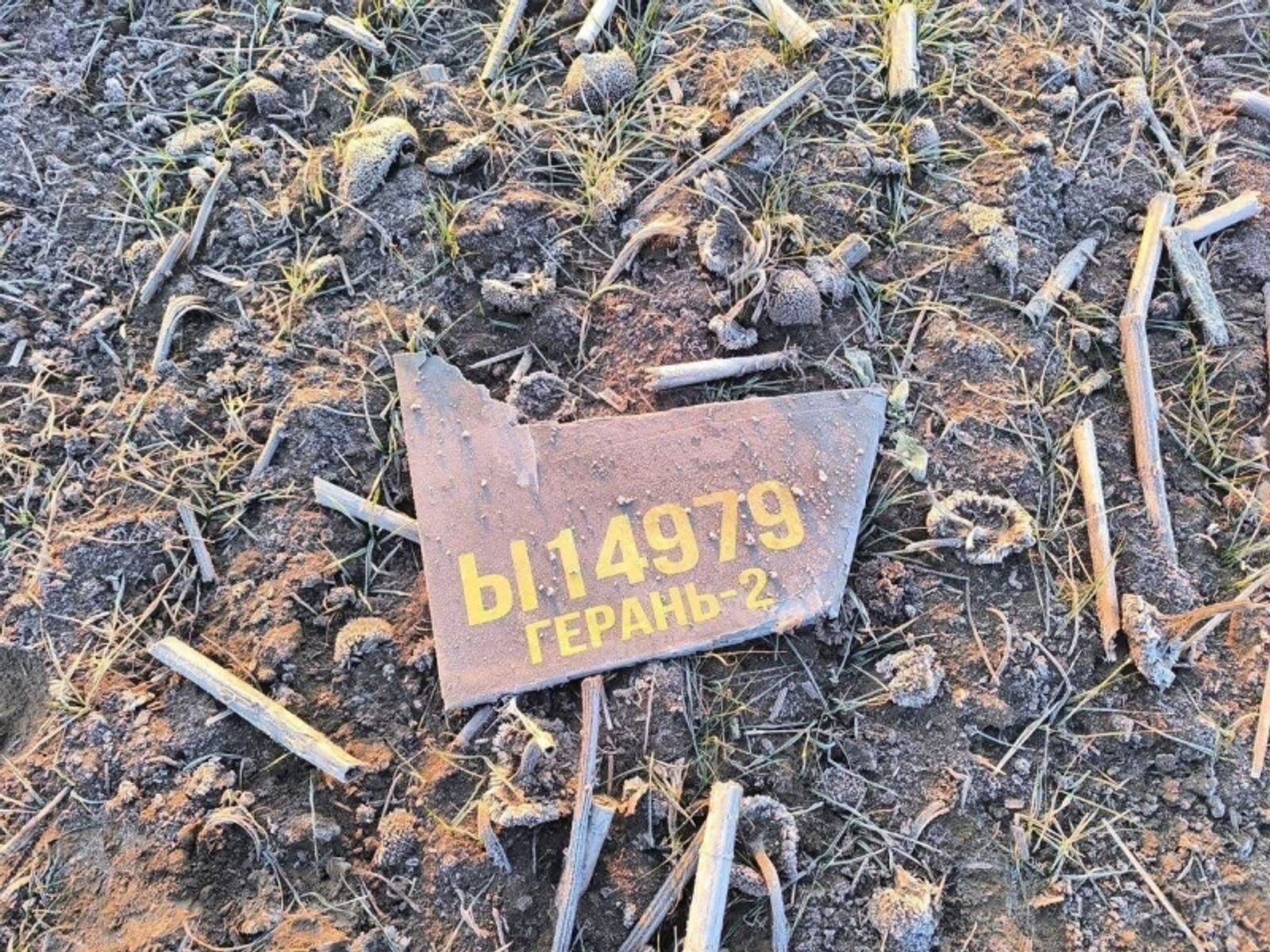
Drone fragments in southern Moldova (image source: Wikimedia Commons)
And, as horrific as such instances of violence are, what I find more unsettling are the instances in which drone incursions are purely accidental. A security expert explained to me how, occasionally, when a Russian drone flying over Ukraine loses connection with its controller, or this connection is forcibly severed, it can sometimes carry on through the air without crashing. In such instances, its motor does not shut down, and it is able to fly onwards, albeit completely unguided, pointlessly toiling forward in the absence of alternative instruction, pushed merely by the stable hum of its motors.
This leaves the drone more or less suspended in its monotonous act of flying, and depending on where it flies or at what its altitude it sits, it may evade counter efforts for some time; until, finally running out of power, it can no longer sustain its flight, and crashes wherever it happens to be.
Is that not an odd, scary prospect? It feels like a truly modern concern. That a small metal mechanism, disconnected from any source of control, aimlessly flying through the air could – possibly without intention – result in the injury or death of someone below who was never an intended target, and whose country was never a participant in the war for which the drone was intended.
Of course, it is worth repeating that the situation here in Moldova pales in comparison to the very real, intentional drone attacks launched against Ukraine, or even Russia, for that matter. And in any case, no civilian at all should find themselves at the mercy of an explosive-laden drone, although they unfortunately currently are in record numbers, not only in Eastern Europe, but also notably in places like Sudan. So it must be said that that the drone threat currently facing Moldova cannot be considered particularly brutal or horrific when compared to most other contexts in which we see military drones being used.
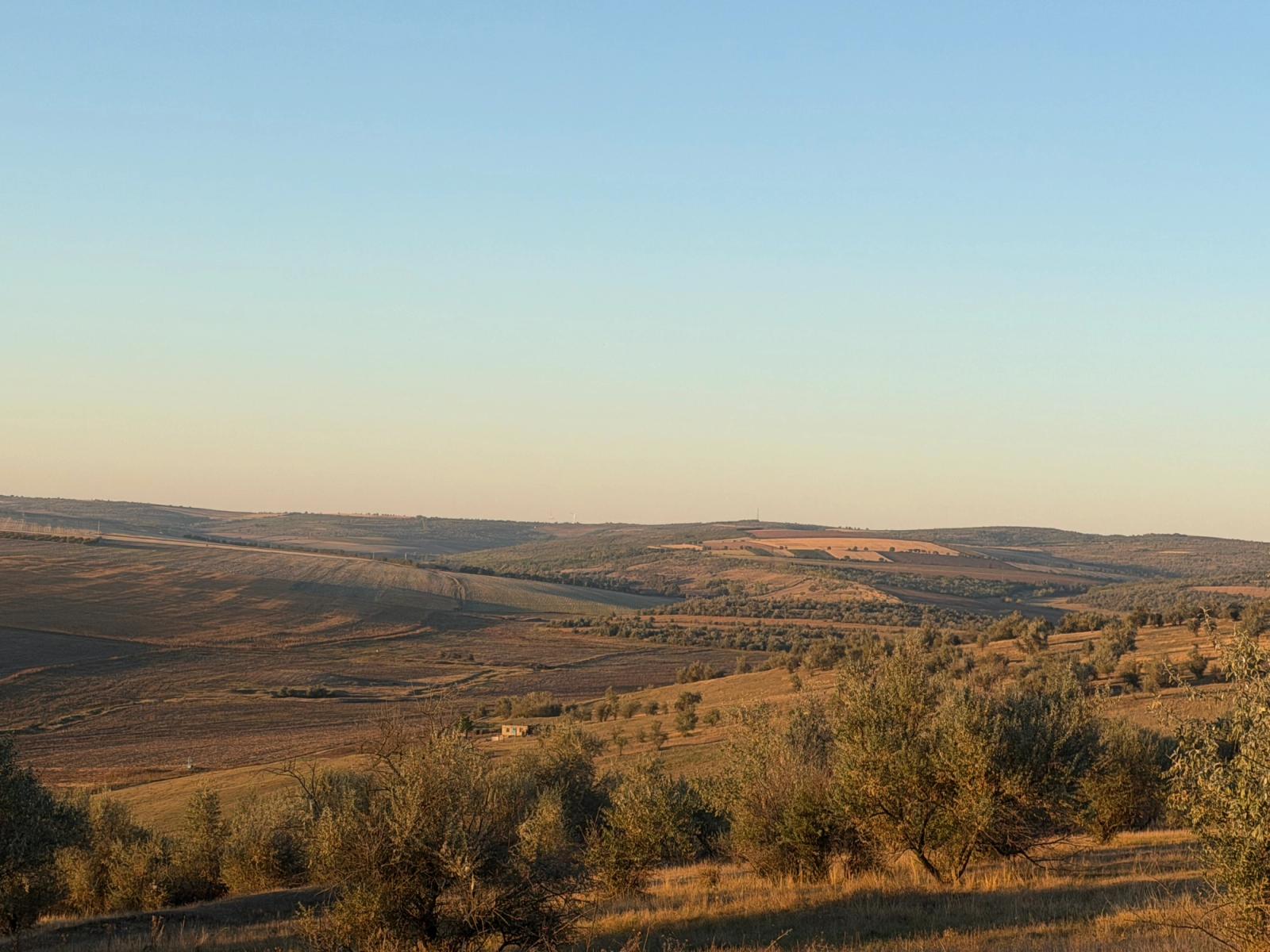
With rolling hills and sprawling fields, most of Moldova is farmland
However, what is brutal and horrific about the aspect of drones in Moldova is that, as stated, they stray into a neutral country, and often are even an accidental phenomenon – an unintended threat. Moldova sits in an odd twilight zone teetering on the periphery of violence, and indeed suffering some of its direct effects, yet ultimately not experiencing that violence as a full blow. It is an awareness that a drone may crash and explode in, say, Ialoveni, but that it probably won’t. Furthermore, and speaking from personal experience, drones are not something I have grown accustomed to fear, as I assume is the case for most of the non-military population of the world. For most of my life, drones were always something awesome and cool in any context, and seeing one in the sky was an invitation to smile and wave at it as opposed to anything else.
As far as the West is concerned, I doubt that most Americans regularly consider the threat of being wounded or killed by a drone while going about their daily routines. Or, if they do, it is hardly a plausible, realistic threat within the borders of the US.
In Moldova’s case, however, there is a threat. A very rare and unlikely one, to be sure, but a lingering, unignorable threat, nonetheless. And, as noted, it is a threat that is increasing. In fact, since completing most of this essay, drones were reported to have crashed in my very district – the wandering stragglers from a massive attack on Odessa.
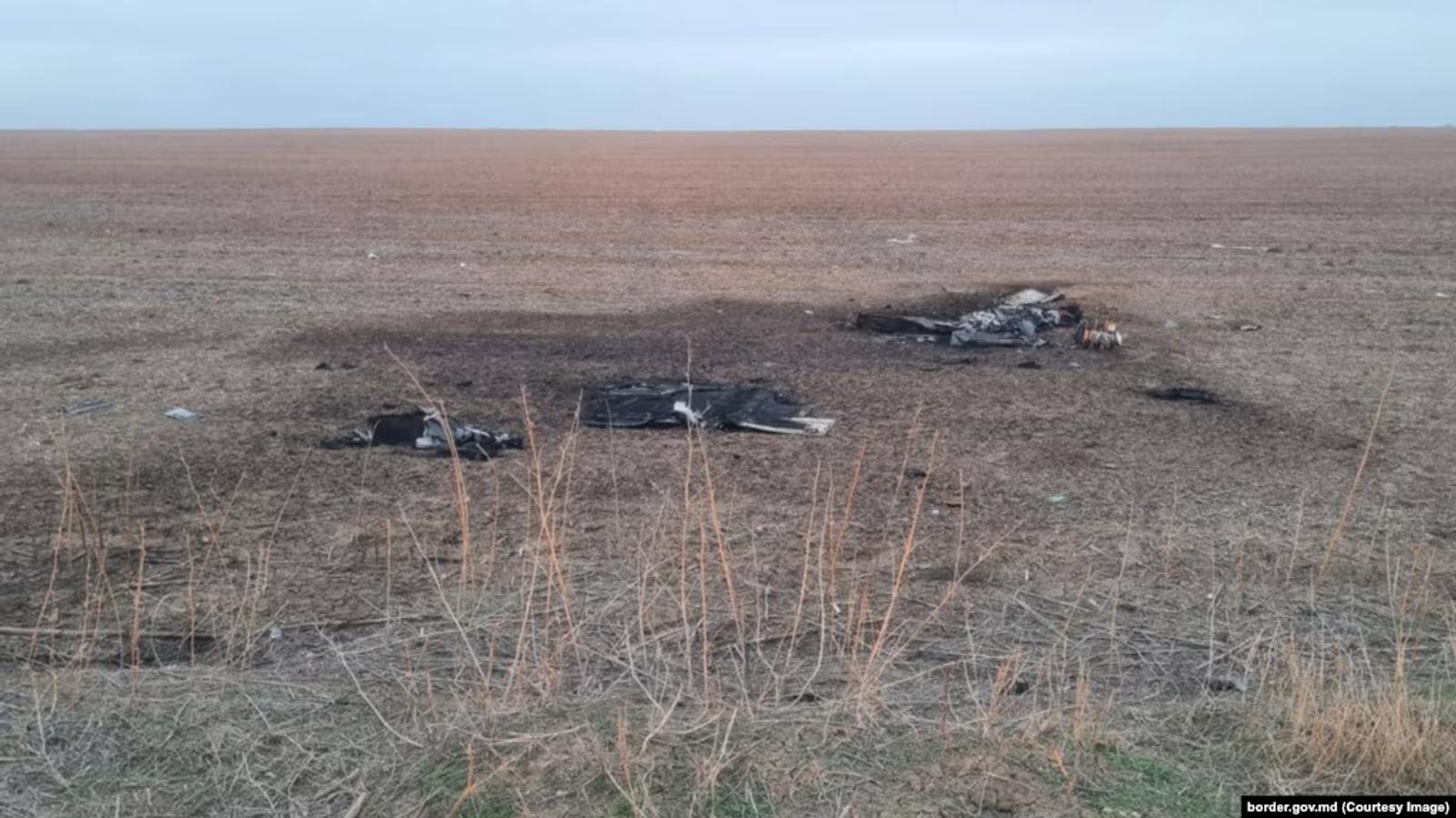
A crashed Shahed drone in southern Moldova (image source: Radio Free Europe/Radio Liberty)
Regarding my situation in all of this, I have yet to actually see a drone myself, or even to meet someone who has seen one. It is not a likely event, or at least not yet. In fact, should I ever see a drone while in Moldova, I may find it hard to associate it immediately with danger. Yet the fact remains that a drone could, theoretically and at any time, emerge from the sky. One could very well fly overhead. One could force me to run for cover or even fly onto my roof as I’m typing these very words.
It’s not the greatest threat in Moldova at the moment. In terms of likelihood, as far as drones are concerned, I’m more likely to die in a car crash or from rabies (the last human rabies death in Moldova was in 2019). If I were in most other countries, the chance of my falling victim to an accidental drone incursion would be nearly as low as it is for me now. Yet, contrary to most other countries, drones occasionally flying over the border are a continuous problem here.
Thus, drones are a thing people are aware of. They are not regarded with much concern, aside from some bureaucratic contingency planning, and none of those with whom I have engaged with on the subject indicated any serious fear. At most, drones are an uneasy reminder of the greater threats of the political and military injustices brewing a little further to the east, and a reminder of what could, in theory, grow into a much more impactful conflict as far as Moldova is concerned, but never has the drone been particularly feared for the threat it poses on its own.
Aside, of course, probably by some villagers in Talmaza or Floreşti, or even in my own home district.
- WordsMatthew Ployhart
- Published · TINCT Politics
- Sources